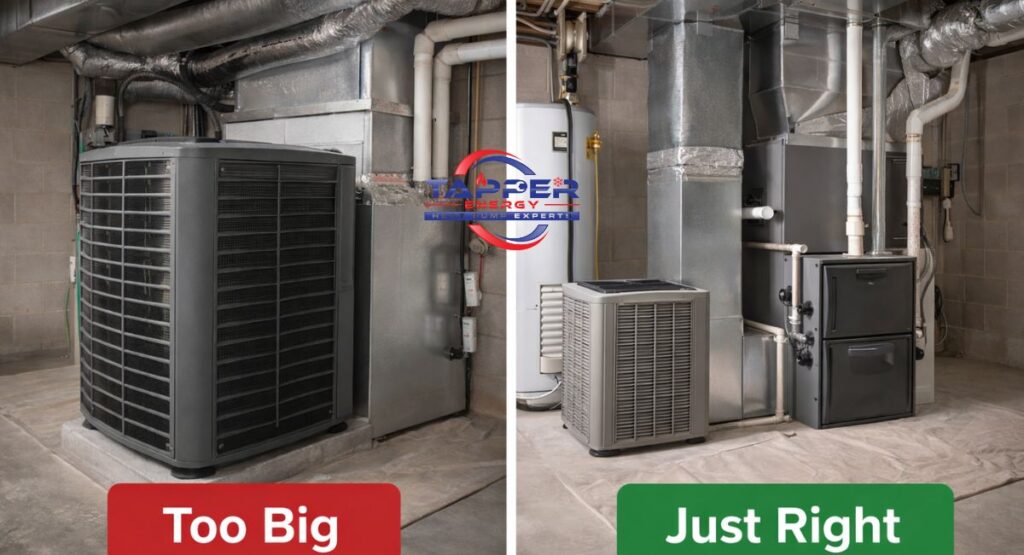
Your home’s air ducts quietly work every single day. They push heated and cooled air through every room. But over time, dust and debris buildup, mold growth in air ducts, and other nasties collect inside. The result? Poor air quality and a struggling HVAC system. If you’re in Enola, PA, duct cleaning doesn’t have to break the bank. Tapper Energy offers local specials designed to keep your system running clean. Indoor air pollutants and biological contaminants are more common than most homeowners realize. Let’s talk about why this service matters — and when you truly need it.
What Duct Cleaning Actually Does for Your Home
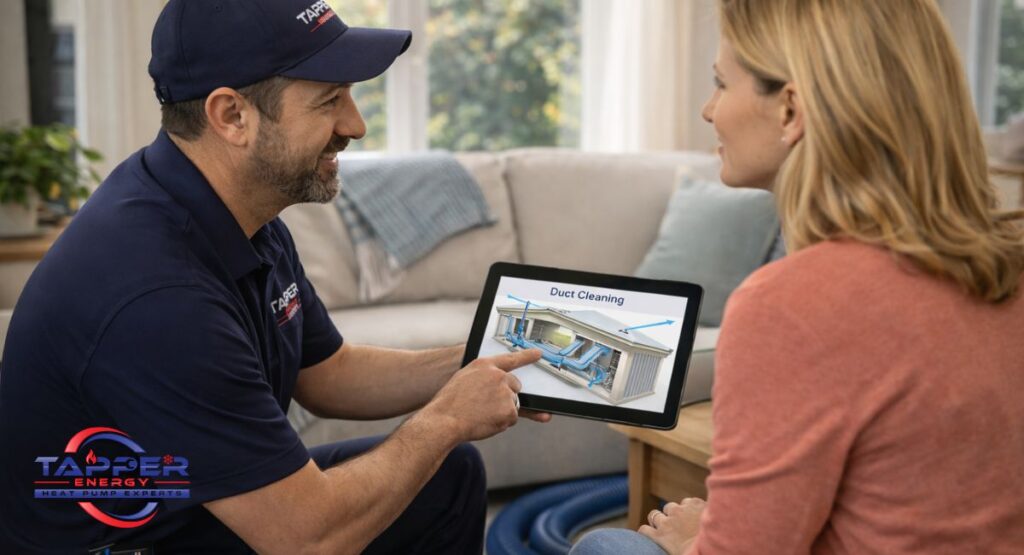
Most people don’t think about their supply and return air ducts until something goes wrong. A proper duct cleaning reaches deep into your system — clearing out the blower motor and housing, plenums, and every connected passage. It’s not just about dust. It’s about restoring airflow and protecting your equipment.
NADCA standards set the bar for how this work should be done. Certified professionals use HEPA vacuum equipment to capture fine particles without releasing them back into your living space. Corners get checked. Air registers and grilles get wiped down. When it’s done right, you’ll notice the difference immediately.
Signs Your Ducts Might Need Attention
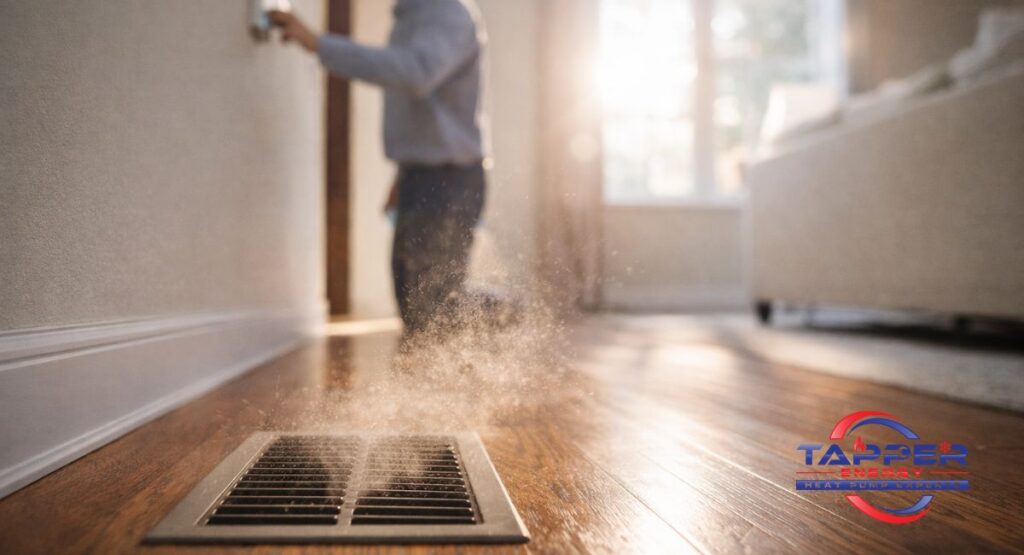
Visible Mold or Musty Odors
If you spot visible mold inside ducts or catch a musty smell every time your system kicks on, don’t wait. Microbial contamination spreads fast through forced air. That smell isn’t just unpleasant — it’s a warning. Call a professional before it gets worse.
Excessive Dust Around Vents
Are you wiping the same shelves every few days? Excessive dust from registers is one of the clearest signs your system needs service. Dust and debris buildup inside the ductwork gets blown out with every cycle. It lands on your furniture, your floors, and eventually your lungs.
Rodents or Insects in the System
A vermin infestation in ducts is every homeowner’s nightmare. Rodents in HVAC systems leave behind droppings, nesting material, and odors that contaminate every room. Insect infestation in air vents causes similar problems. If you hear scratching or notice droppings near vents, act fast.
Recent Renovation or Construction Work
Construction stirs up enormous amounts of fine particles. Without proper protection, those particles enter your duct system and settle in. Indoor air pollutants like drywall dust and fiberglass fibers don’t belong in your airflow. A post-renovation cleaning is often a smart investment.
What the EPA Actually Says About Duct Cleaning
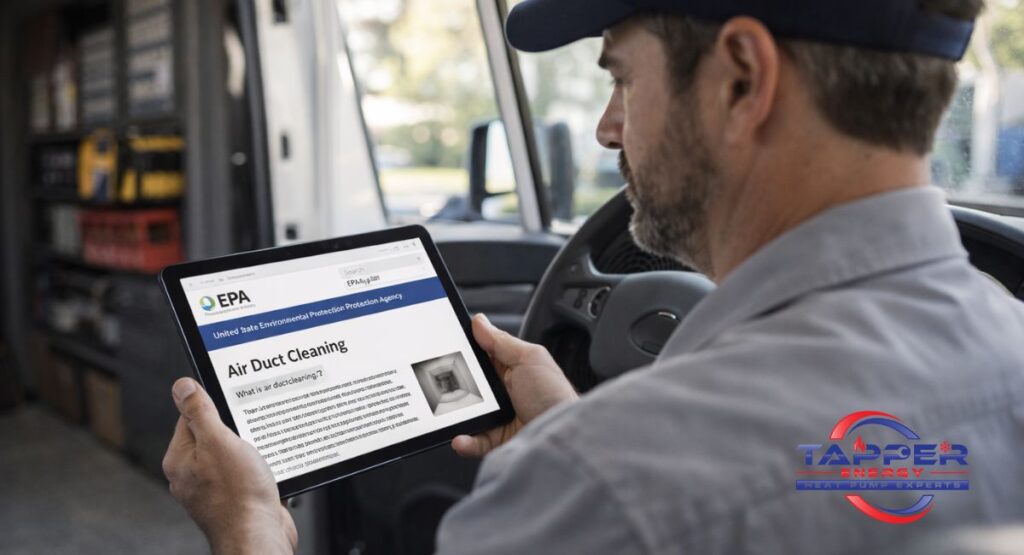
The EPA recommendations on this topic are worth knowing. The EPA supports as-needed duct cleaning rather than routine scheduled cleanings every year. There’s no evidence duct cleaning prevents health problems unless contamination is actually present. That’s an honest, science-based position — and it’s one we respect.
That said, the EPA does recommend cleaning when there’s confirmed mold growth in air ducts, a vermin infestation in ducts, or when ducts are so clogged they’re restricting airflow. HVAC system contamination is real. When it happens, cleaning isn’t optional — it’s necessary. Knowing the difference saves you money and protects your health.
Key Facts About Duct Cleaning: A Quick Reference Table
| Topic | Key Detail |
|---|---|
| EPA Stance | Cleaning recommended only when contamination is confirmed |
| NADCA Standard | Requires cleaning of all system components |
| Mold in Ducts | Requires professional remediation, not just cleaning |
| Average Cost | $300–$700 for a standard residential system |
| Filter Replacement | Every 1–3 months for HVAC preventive maintenance |
| Best Cleaning Method | HEPA vacuum cleaner with agitation devices |
| Carbon Monoxide Risk | Inspect fuel-burning furnace annually |
| Duct Leakage | Seal duct air leaks to improve HVAC efficiency improvement |
How Tapper Energy Approaches Duct Cleaning in Enola PA
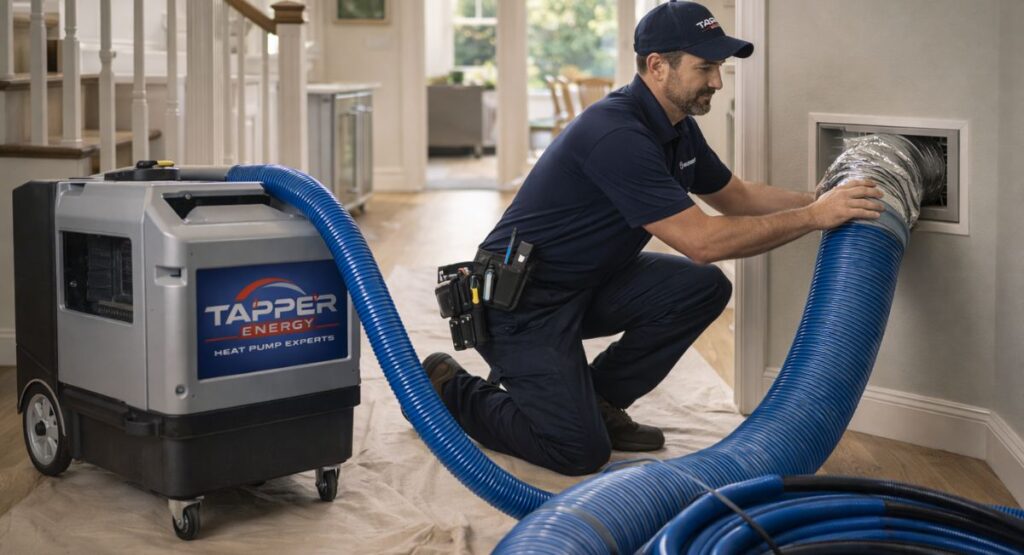
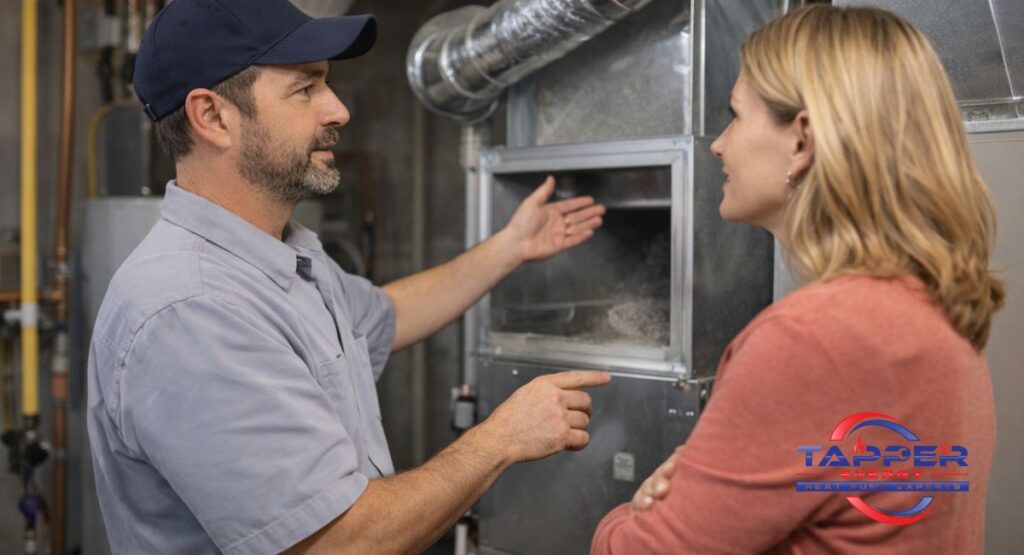
Tapper Energy follows proper duct cleaning procedures from start to finish. Our team inspects your air handling unit, heat exchangers, and cooling coils before touching anything. We want to know exactly what’s inside your system before we start. No guesswork. No shortcuts.
We use professional-grade equipment that meets NADCA standards. Every condensate drain pan gets checked for standing water. Cooling coil maintenance is part of our process because dirty coils drive up energy use. When we leave, your system runs cleaner — and so does every breath you take indoors.
Preventing Future Duct Contamination
Change Your Filters on Schedule
The single easiest thing you can do is change HVAC filters regularly. A clogged filter doesn’t protect your system — it starves it of airflow. Use a high-efficiency air filter rated for your specific unit. It traps more particles before they ever reach your ducts.
Control Moisture Inside Your System
Moisture control in HVAC is critical, especially in Central Pennsylvania summers. Humidity feeds mold. Prevent condensation in ducts by keeping your system properly maintained and your home’s relative humidity levels between 30–50%. A well-maintained system naturally resists biological growth prevention issues.
Seal Leaks and Insulate Properly
Duct air leak sealing does double duty. It keeps conditioned air in and unfiltered air out. Gaps in ductwork pull in attic dust, insulation fibers, and outside allergens. Energy conservation in HVAC improves when your system isn’t working overtime to compensate for lost airflow.
Understanding Chemical Treatments: What You Should Know
Some companies offer chemical biocides in air ducts as an add-on service. These products kill mold and bacteria, but they come with important caveats. The EPA only endorses the use of an EPA-registered biocide applied by trained professionals. Using the wrong product in fiberglass duct board contamination situations can cause additional harm.
Ozone duct treatment is another option you’ll hear about — but the EPA has serious concerns about ozone at levels effective against contaminants. Encapsulation of duct surfaces is sometimes used instead of removal, but it’s not always the right call. Ask questions. Know what’s going into your system before you agree to any chemical application.
Case Study: The Ramirez Family in Enola, PA
The Ramirez family moved into a 1990s split-level home in Enola last spring. Within weeks, their daughter started having respiratory symptoms every morning. They assumed it was seasonal allergies.
A Tapper Energy technician arrived for an inspection. Inside the bare sheet metal ducts, they found significant dust and debris buildup and early-stage microbial contamination near the cooling coils. The condensate drain pan had been holding standing water — a perfect breeding ground for mold.
After a full cleaning, HEPA vacuum equipment cleared the system completely. The technician sealed two major duct air leaks and replaced a worn filter. Within two weeks, the daughter’s morning symptoms had largely resolved. The family’s indoor environmental quality improved — and their energy bills dropped slightly as a bonus.
What One Local Homeowner Had to Say
“I had no idea how bad our ducts were until Tapper Energy came out. The tech showed me pictures from inside the system — I was shocked. After the cleaning, the air in our house just felt fresher. My husband stopped sneezing every morning. I’d recommend this to any neighbor in the Enola area.” — Karen T., Enola PA homeowner
How to Choose the Right Duct Cleaning Service
Choosing duct cleaning service providers wisely protects your home and your wallet. Start with certification. Any reputable company should follow NADCA standards and be willing to show proof. Ask whether they use HEPA vacuum equipment — companies that don’t may just blow debris around rather than remove it.
Use a duct cleaning inspection checklist before and after the job. A trustworthy company will inspect your air handling unit and all connected system components — not just the vents you can see. Ask for a written scope of work. Then compare it to what’s actually done when the job is complete.
Step-by-Step: What to Expect During a Professional Duct Cleaning
- Initial inspection — The technician examines all accessible duct openings, registers, and equipment.
- System assessment — They check for mold growth in air ducts, leaks, and filter condition.
- Equipment setup — A powerful HEPA vacuum cleaner connects to the main trunk line.
- Agitation and cleaning — Brushes or air whips loosen debris from bare sheet metal ducts and porous insulation materials.
- Component cleaning — Blower motor and housing, cooling coils, and condensate drain pans get individual attention.
- Post-cleaning check — The technician verifies airflow, checks for duct air leak sealing needs, and documents results.
- Consumer review — You receive a post-cleaning consumer checklist so you know exactly what was done.
Frequently Asked Questions About Duct Cleaning
What’s the average cost to clean air ducts?
The cost of duct cleaning typically runs between $300 and $700 for a standard home. Larger homes or heavily contaminated systems cost more. Always ask for an itemized quote. Avoid companies offering unusually low prices — they often upsell aggressively or don’t follow NADCA standards.
What is the best time of year to have air ducts cleaned?
Spring and early fall are ideal. Cleaning before cooling season ensures your cooling coils and supply and return air ducts are clear. Fall cleaning prepares your system for heating season. Either way, schedule before peak demand to get faster appointments and sometimes better pricing.
How much does Stanley Steemer charge to clean out your air ducts?
Stanley Steemer typically charges between $25 and $35 per vent, with whole-home packages ranging from $300 to $500. Pricing varies by region and system size. When choosing duct cleaning service providers, compare value — not just price. Local specialists often provide more thorough service and personalized follow-up.
What are signs your air ducts need cleaning?
Watch for excessive dust from registers, musty odors, visible mold inside ducts, or respiratory symptoms worsening indoors. A vermin infestation in ducts is also a clear trigger. If your home feels dustier than normal or indoor air pollutants seem elevated, schedule an inspection soon.
Does homeowners insurance cover duct cleaning?
Standard homeowners insurance generally doesn’t cover routine duct cleaning. However, if contamination results from a covered event — like water damage causing mold growth in air ducts — your policy may help. Always check with your insurer first. Document any microbial contamination with photos before cleaning begins.
Ready to Schedule Your Duct Cleaning in Enola PA?
Tapper Energy serves Enola and the surrounding Greater Harrisburg area — including Camp Hill, New Cumberland, and Marysville. Our team brings the experience, equipment, and honest advice your home deserves. Whether you’re dealing with contamination or just want peace of mind, we’re here to help.
Visit us at tapperenergy.com or call +1 717 921 4822 to ask about our current specials.